
Contact Info
Luxor Karnak Temple Street - Luxor - Egypt.Mailing List
Sign up for our mailing list to get latest updates and offers.

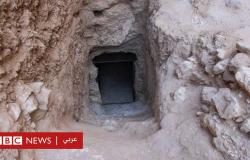
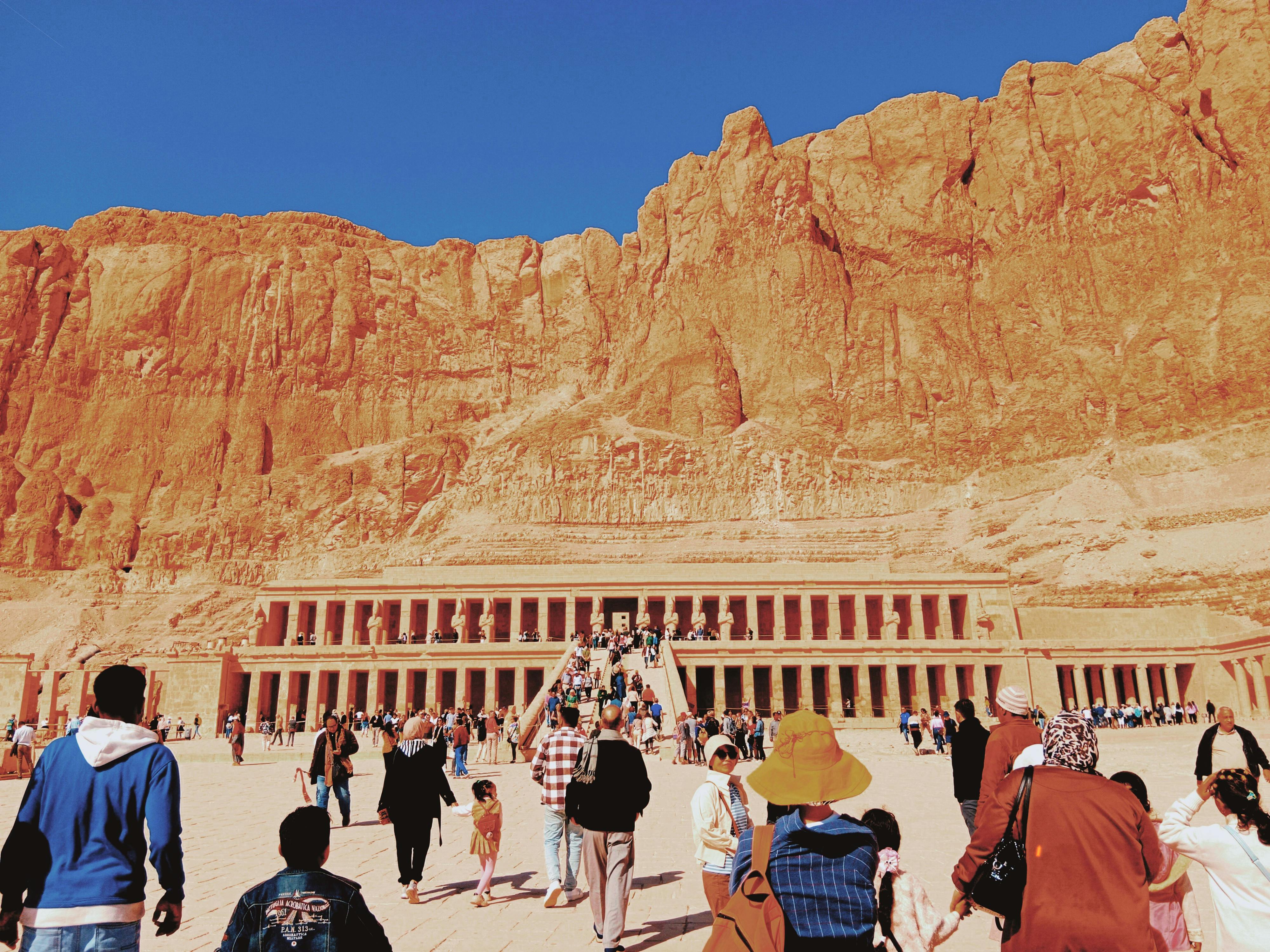
New secrets about the tomb of Thutmose II in Luxor
The undiscovered tomb of Thutmose II, the last king of the 18th Dynasty, has been discovered in Luxor, Upper Egypt. The discovery is the largest archaeological find in a century, and the first of its kind since the discovery of Tutankhamun’s tomb in 1922.
Thutmose II was the husband and half-brother of Queen Hatshepsut, considered one of Egypt’s greatest pharaohs. He is believed to have ruled for around four years, and fathered one child, Thutmose III.
The discovery was made by a joint Egyptian-British expedition, after 12 years of work in the Western Valleys. The expedition was able to identify more than 30 royal wives and court women from this period.
The discovery came as a surprise, as archaeologists initially thought the tomb belonged to a royal wife. However, the presence of a wide staircase and an intricately decorated burial chamber suggest a royal burial, confirming it is the long-lost tomb of the pharaoh.
Tuthmosis II, an ancestor of Tutankhamun whose tomb was found in 1922, died 3,500 years ago and was thought to have been buried at the other end of the mountain near the Valley of the Kings.
Archaeologists thought they had found the tomb of a royal wife. However, the wide staircase and ornate burial chamber suggest it is more likely the burial place of a king.
Who is Thutmose II?
Thutmose II was the husband and half-brother of Queen Hatshepsut, considered one of Egypt’s greatest pharaohs. He is thought to have ruled for around four years, and fathered one child, Thutmose III.
The reign of Thutmose II is thought to have spanned from around 1493 to 1479 BC, but his life was overshadowed by his more famous father Thutmose I, his wife Hatshepsut (one of the few women to rule alone), and his son Thutmose III.
The discovery was made by a joint expedition formed by the New Kingdom Research Foundation (NKRF), an independent British academic institution, the Egyptian Ministry of Tourism and Antiquities, and a project of the McDonald Institute for Archaeological Research at the University of Cambridge.
The field leader and director, Piers Litherland, of Galashiels, is an honorary research associate at the McDonald Institute for Archaeological Research at the University of Cambridge.
The expedition is led by Dr Judith Bunbury, a fellow of Wolfson College, and the team includes Egyptian and international experts and local workers.
The discovery comes after 12 years of work in the Western Valleys.
The mission had previously identified more than 30 royal wives and courtiers from this period, and had discovered 54 tombs in the western part of Mount Thebes in Luxor.
“This discovery solves a major mystery in ancient Egypt: the location of the tombs of the kings of the early 18th Dynasty,” said Litherland. “The tomb of this ancestor of Tutankhamun had never been found because it was always thought to be at the other end of the mountain near the Valley of the Kings.
“At first we thought we might have found the tomb of a royal wife, but the wide staircase and grand entrance suggested something more important.
“The discovery that the burial chamber was decorated with scenes from the Book of Amduat, a religious text dedicated to kings, was very exciting and was the first indication that this was the tomb of a king.”
Artifacts discovered in the tomb, including fragments of alabaster jars bearing inscriptions in the names of Thutmose II and his chief wife Hatshepsut, provided conclusive evidence, and are the only artefacts associated with the burial of Thutmose II ever found.
Sometime before the sixth year of Thutmose III’s reign, archaeological evidence suggests that this tomb was subject to a catastrophic flood, after which the contents were moved to a second tomb.
The mission’s discovery of intact foundation deposits suggests that this second tomb is hidden in the same valley – casting doubt on the identity of body CG61066, which was found in the royal cache in 1881 and previously identified as Thutmose II, according to The Independent.
The body has been consistently dated to be more than 30 years old, but Thutmose II was described as “the hawk in the nest” when he ascended the throne and reigned long enough to become the father of Thutmose III before his death.
“This is the first royal tomb to be discovered since the discovery of King Tutankhamun’s burial chamber in 1922,” said Sherif Fathy, Egypt’s Minister of Tourism and Antiquities.
“This is an extraordinary moment for Egyptology and the wider understanding of our shared human story,” he added.
Dr. Piers Liserland, director of the archaeological mission, said that part of the original ceiling of the tomb was still intact, decorated in blue and studded with yellow stars, a decorative element found only in the tombs of kings.
New Secrets
Speaking to the BBC's News Hour programme, Dr. Liserland expressed his feelings upon discovering the tomb, saying: "The feeling that accompanies finding something unexpected is an amazing feeling, and I was very surprised at that moment."
He added that after discovering the tomb, he was unable to control his emotions and burst into tears when he met his wife outside.
"The tomb contains a huge staircase and a very large corridor, which indicates the grandeur of the place. The archaeological team had great difficulty removing the rubble from the corridors, which were filled with debris due to the flooding, and they had to crawl through a narrow corridor 10 meters long before they reached the burial chamber," according to Liserland.
He added that the team discovered in the burial chamber a decorated blue ceiling and pieces of the Book of Amduat, a religious text dedicated to kings, which was further evidence that the tomb belonged to a king.
The BBC website quoted Lizland as saying that the surprise was that the tomb was completely empty, which confirms that its contents had been moved to another place in ancient times after it was submerged by floods, which caused its destruction.
By searching the debris, the team found pieces of alabaster vessels engraved with the names of King Thutmose II and Queen Hatshepsut, which confirmed the identity of the owner of the tomb.
Dr Lizland commented, saying: "Fortunately, some of the pieces were broken during the transfer process, which helped us discover the owner of the tomb," adding that the team has a preliminary idea about the location of the second tomb, which may contain additional treasures.

